
Changing your engine oil at home may seem intimidating, but with a few basic tools and some time, it is actually quite easy to DIY.
Follow our handy guide, from Indy’s experts, to change your engine oil and save yourself time and money.
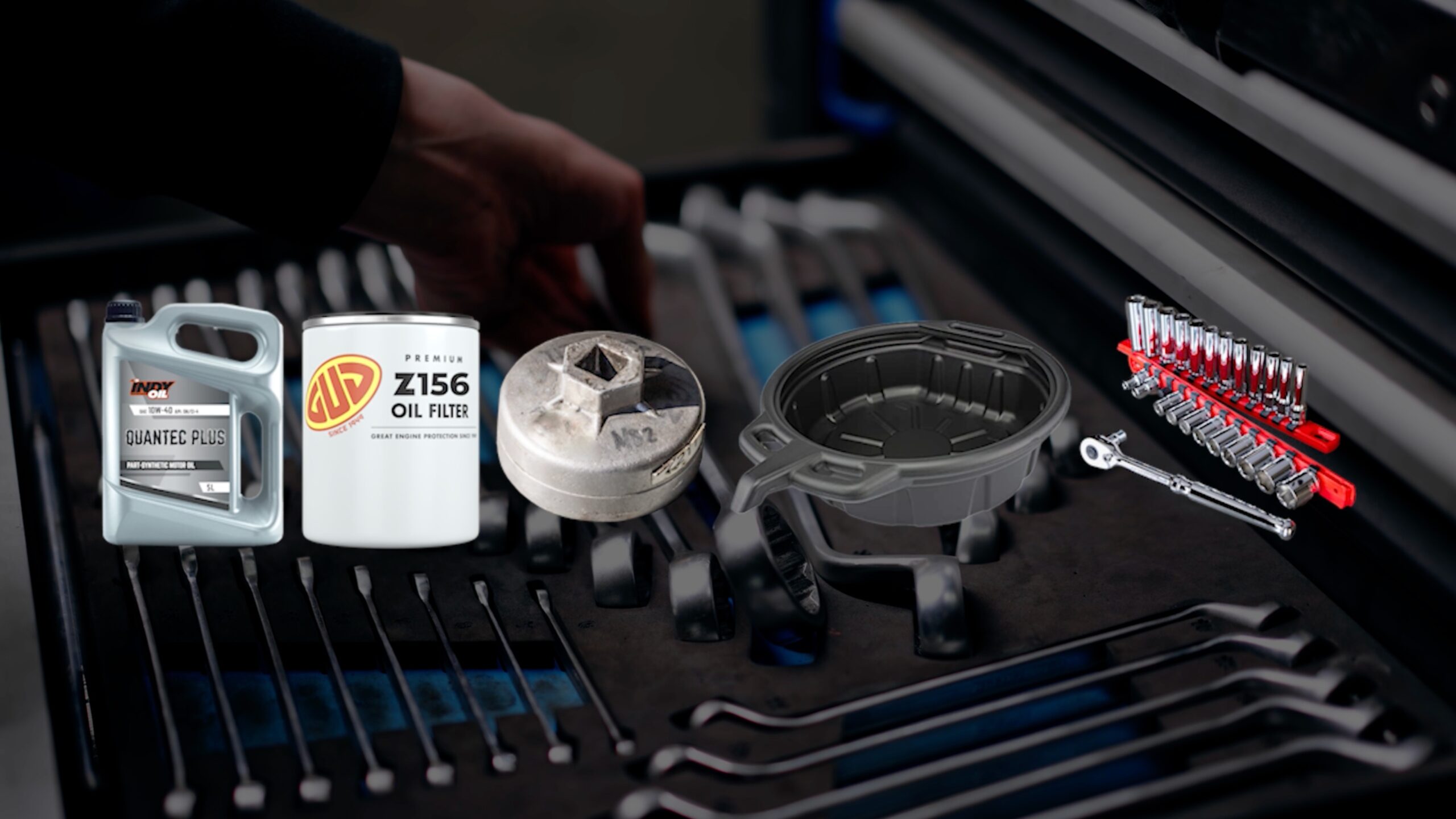
Before you get started, make sure you have the right tools:
- Indy – Choose an engine oil that matches your vehicle’s spec.
- Oil filter wrench
- Drain pan
- Oil funnel
- Optional Hand gloves (to keep things clean)
- New oil filter – GUD Filters is your best bet.
Steps to change the oil
- Warm up the engine: Warm oil flows out more easily, making the change smoother and more efficient. Therefore, you should start your vehicle and allow the engine to warm up. A few minutes is enough, so be sure to switch off before it heats up too much.
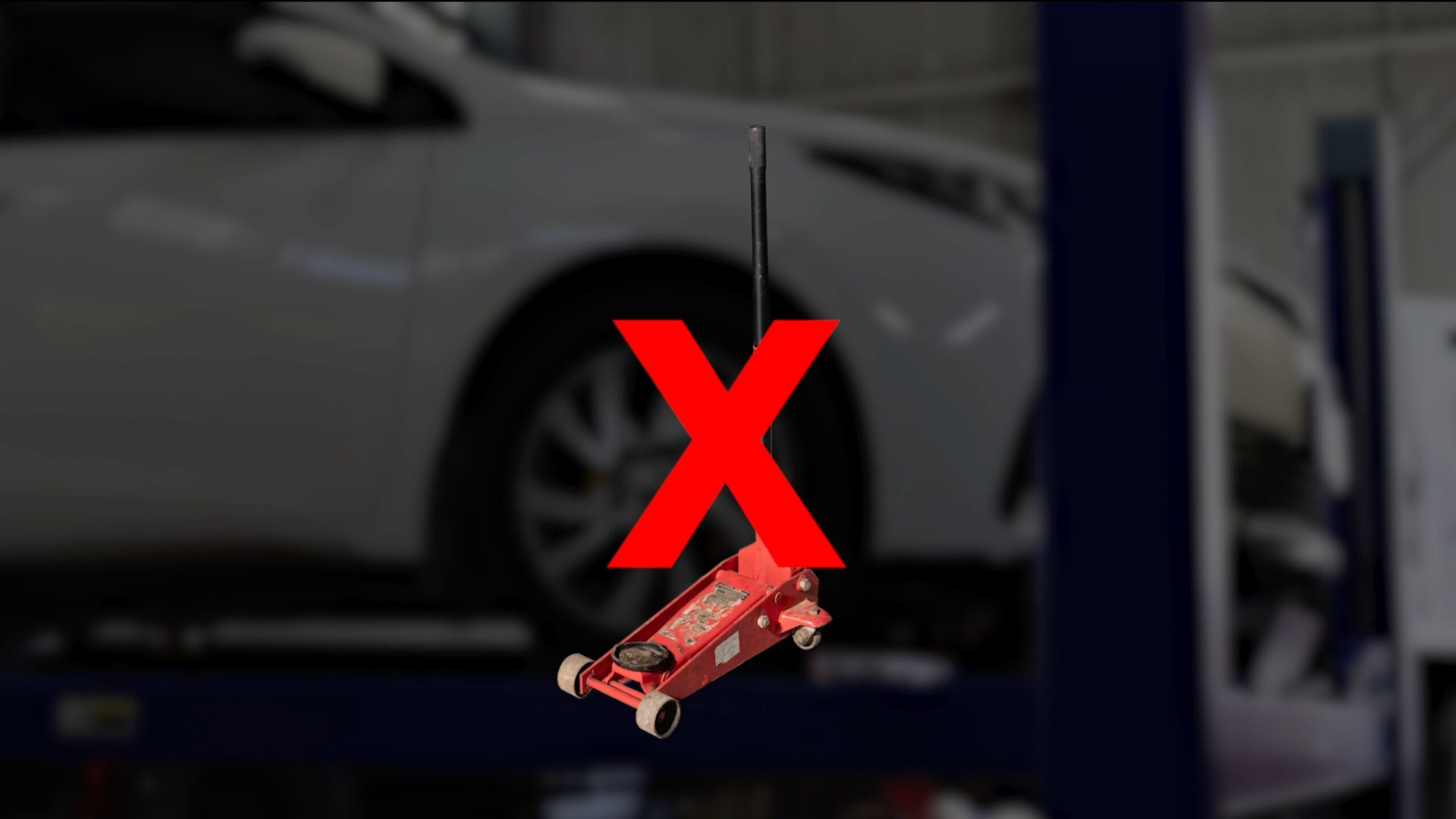
- Safely lift the vehicle: Always ensure the vehicle is securely supported before going under it. Use a jack and jack stand to safely elevate the vehicle.
- Drain the old oil: Position a drain pan under the sump drain plug, then use a wrench to remove the drain plug. Allow the oil drain completely into the pan. This may take a few minutes.
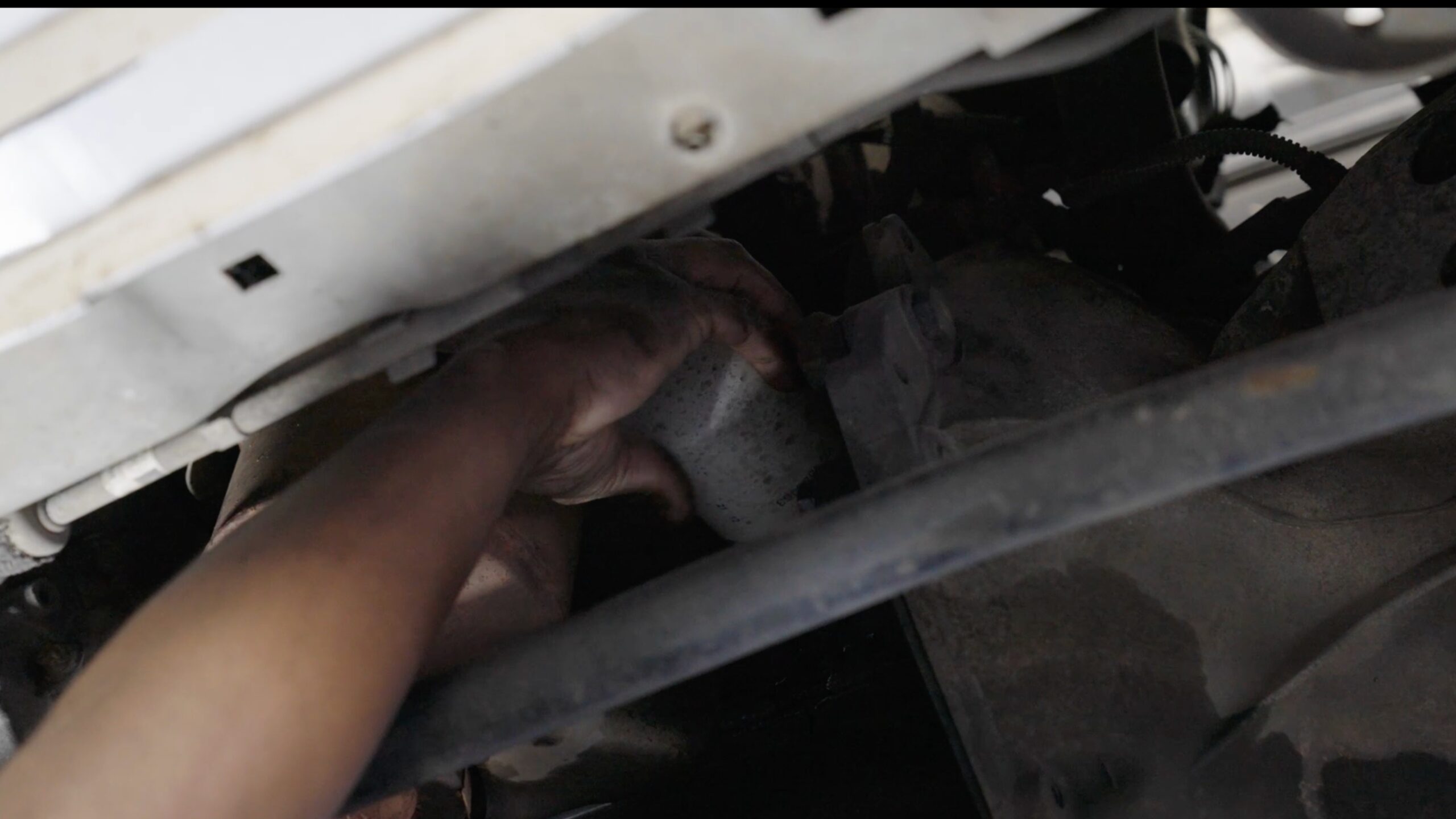
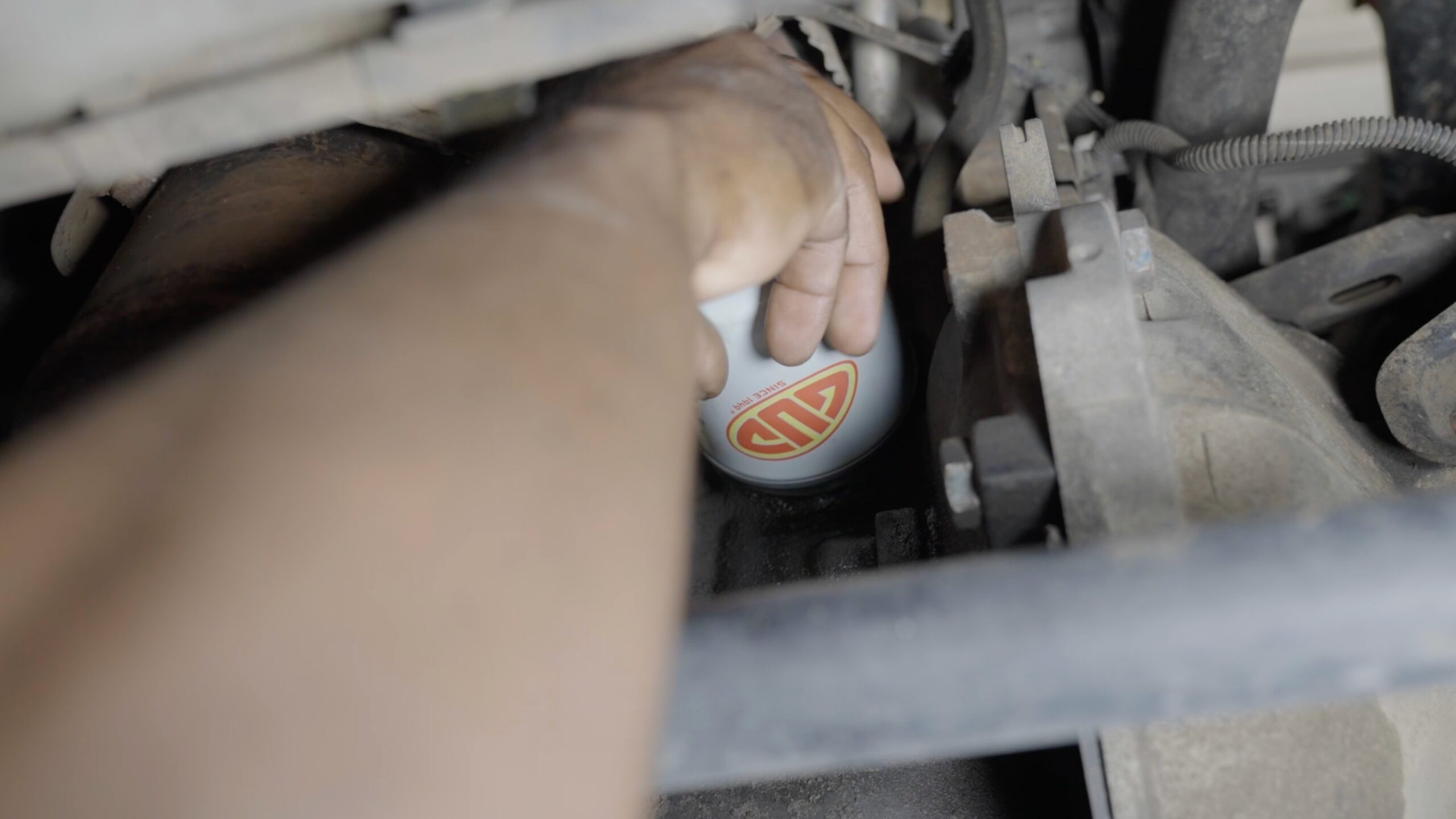
- Replace the oil filter: Use the oil filter wrench to remove the old oil filter. Be careful, as some oil may still be in the filter. Once removed, replace it with a new GUD oil filter and ensure it is tightened securely.
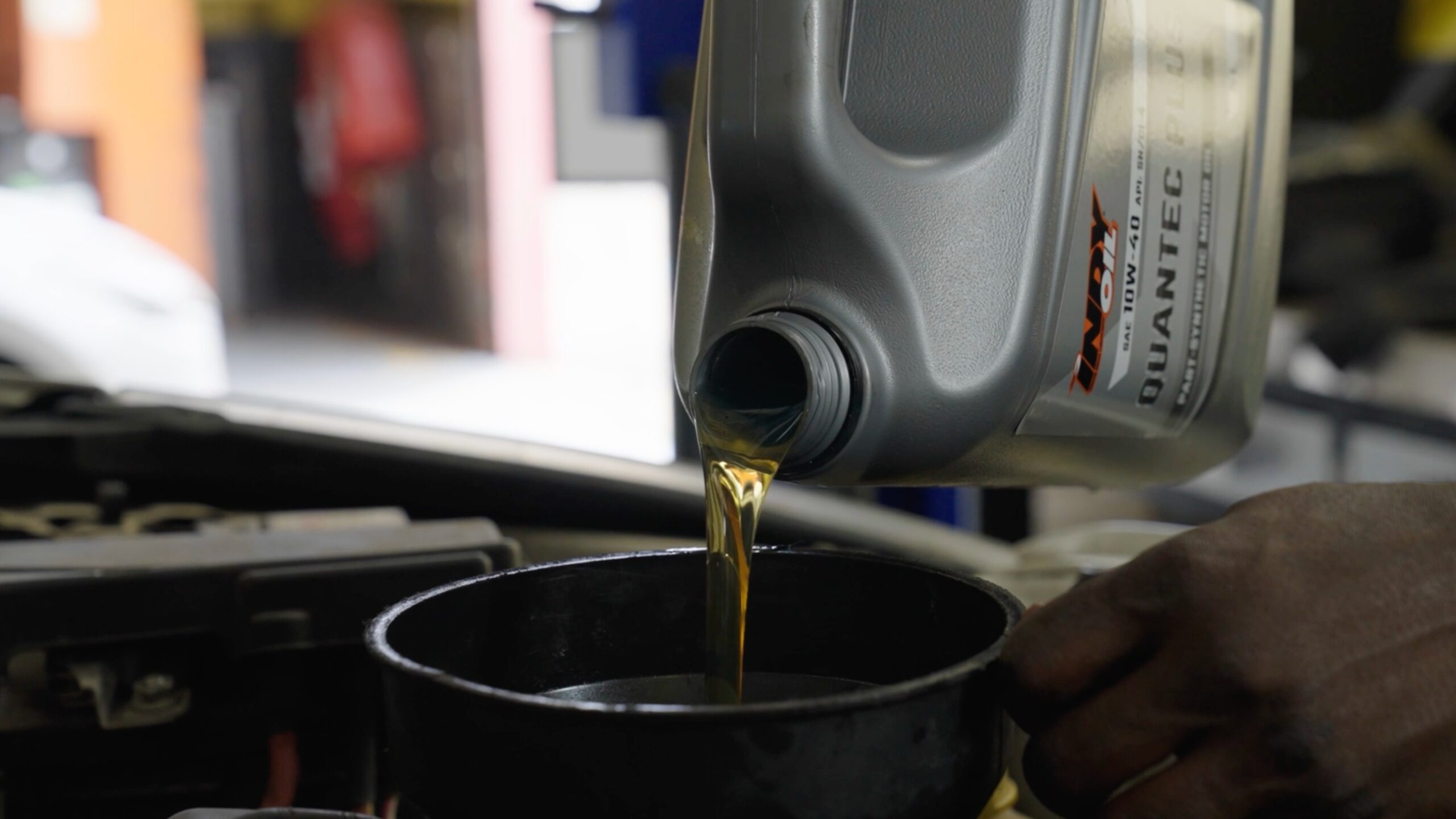
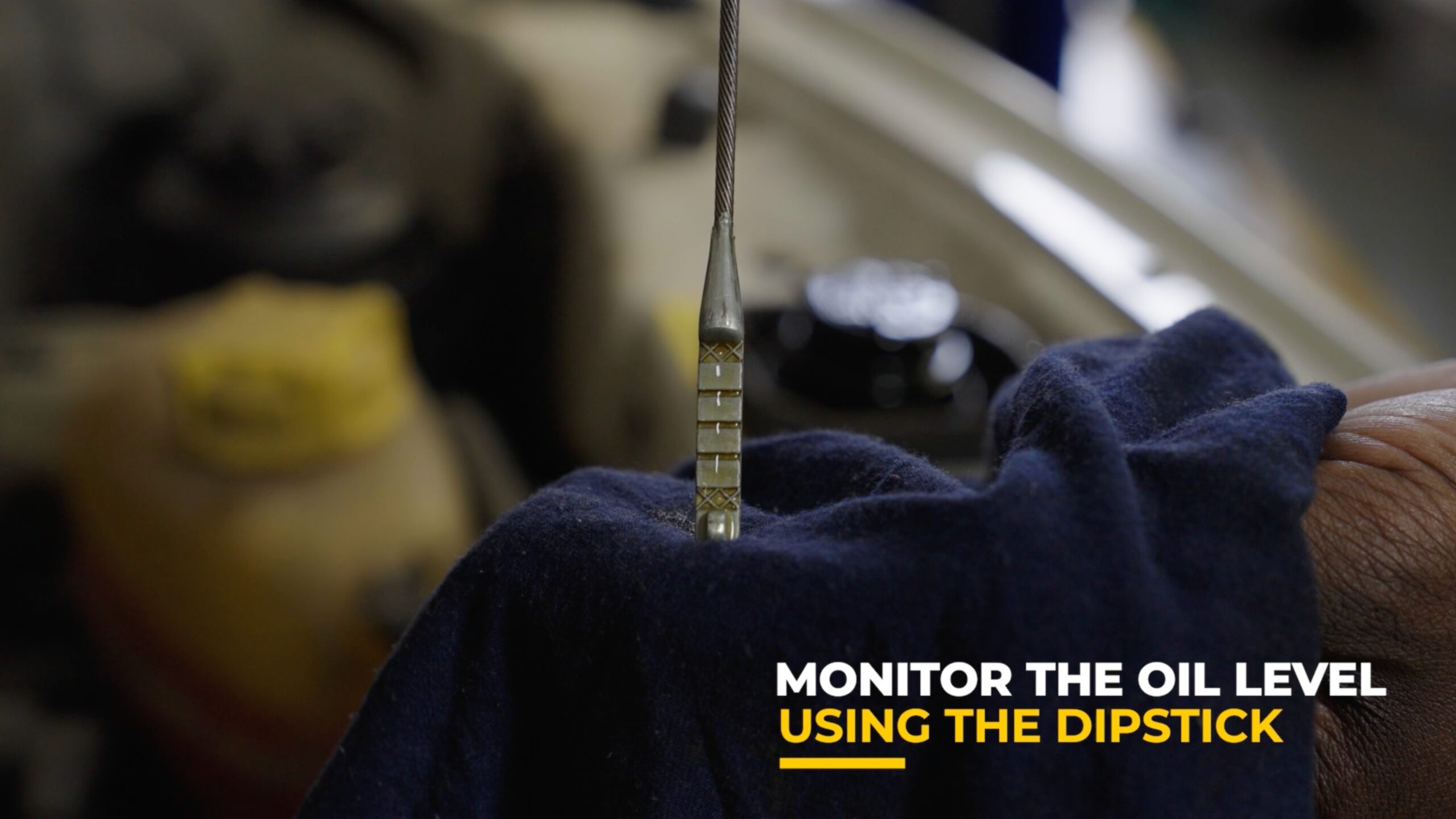
- Refill with new oil and check dipstick: Select an oil matching the type and viscosity specified in your vehicle’s manual. Using a funnel, pour in the appropriate amount of fresh Indy engine oil, leaving a little room below the recommended fill line. After adding the oil, remove the dipstick, wipe it clean, re-insert it fully and check the oil level to ensure it is within the safe range on the dipstick. Adjust if necessary.
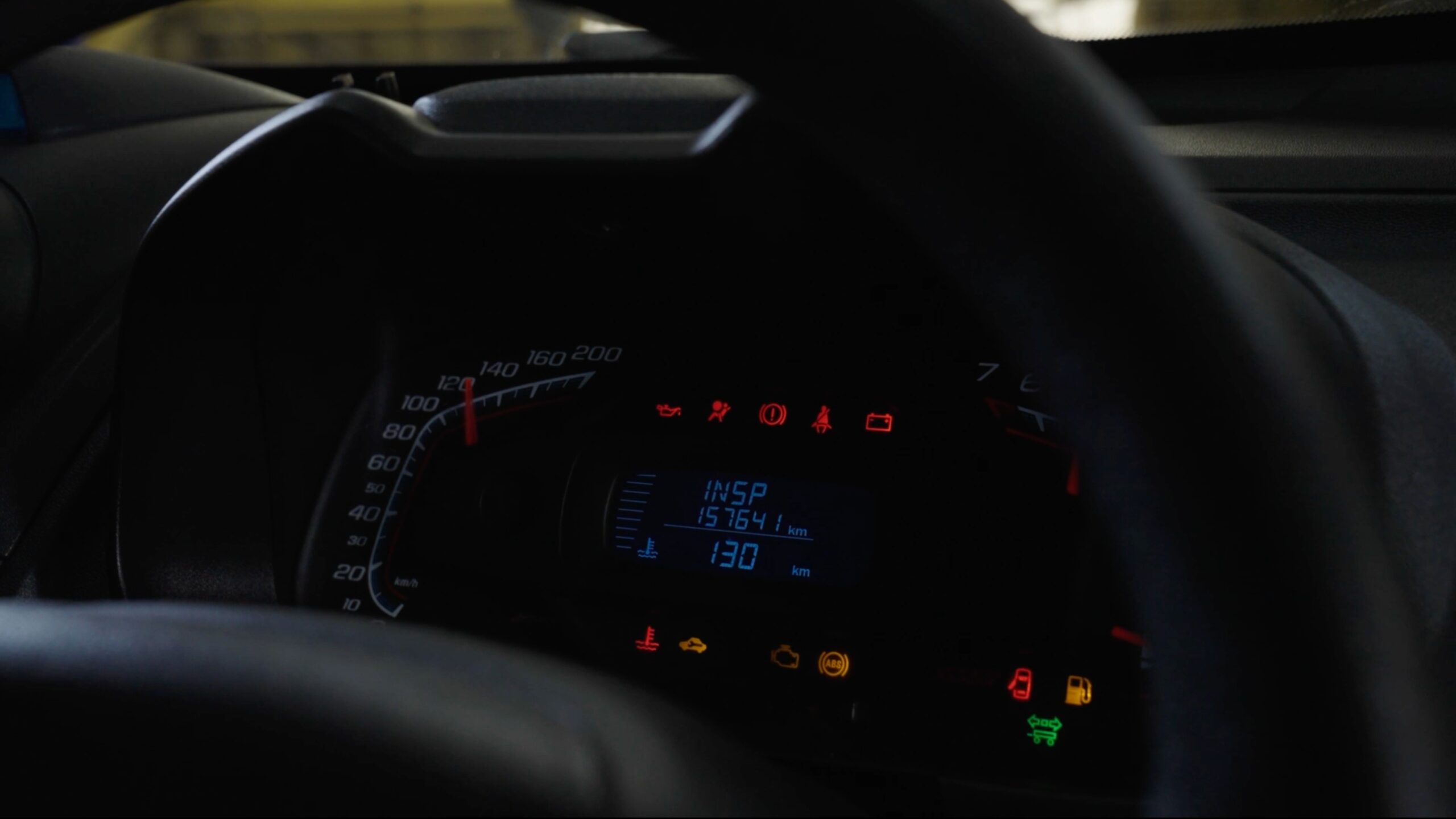
- Run the engine: Start your engine and let it run for a few minutes. This circulates the new oil and helps ensure there are no leaks around the oil filter or drain plug. If you notice any leaks, turn off the engine and check the connections again. Also, look out for the oil pressure light on the dashboard, which needs to turn off within 10 seconds. Failing to turn off means the engine oil was not filled to the correct level.
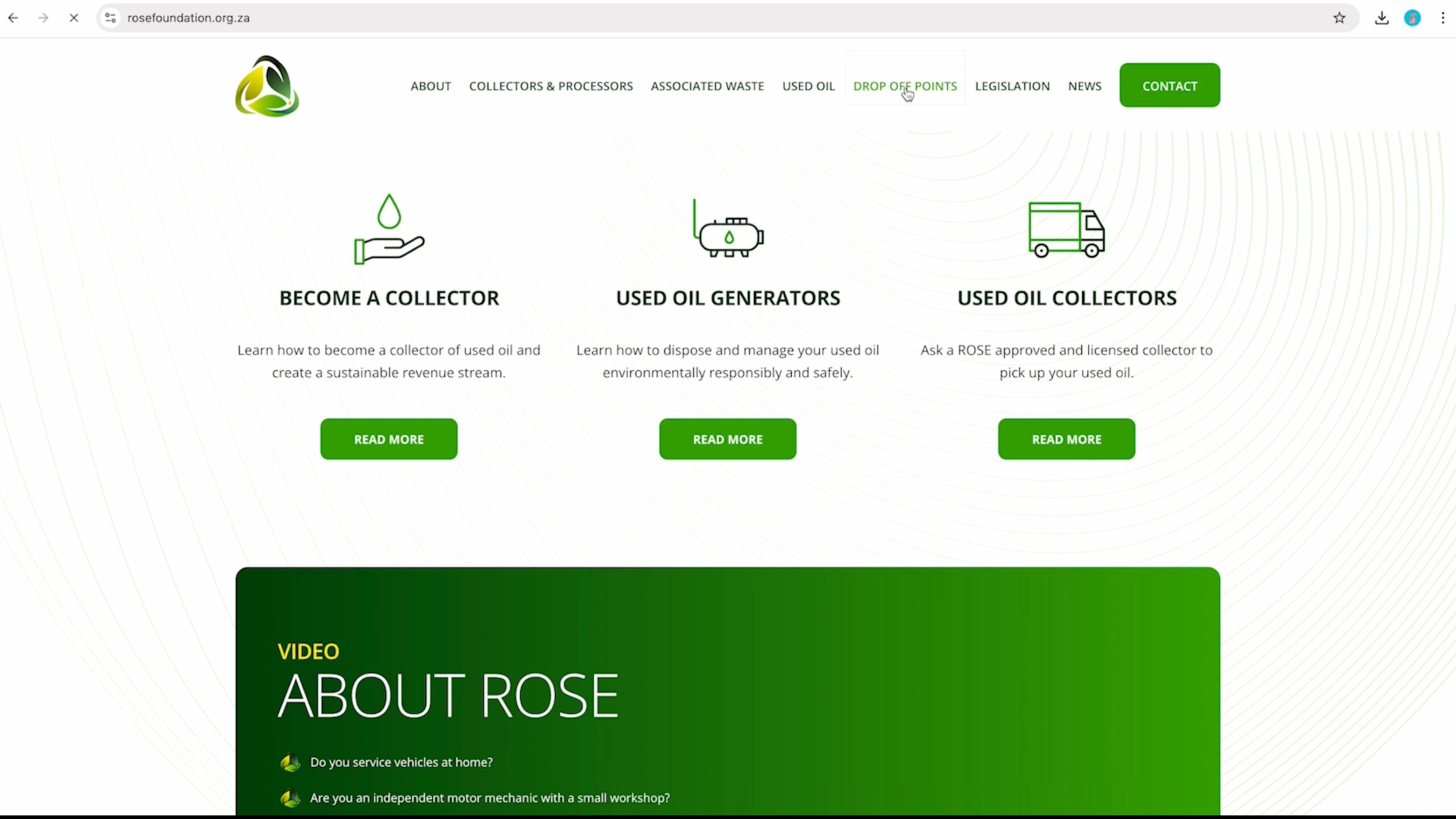
- Dispose of used oil responsibly: Never dispose of used oil in the trash. Rather, recycle the Indy partners with the Rose Foundation to promote oil recycling. Take your used oil to a certified drop-off location to ensure it’s disposed of in an environmentally friendly way.
If something does not feel right or you run into issues, it is best to call in a professional mechanic. It is always better to be safe than sorry!